About me
Hey there! I’m Andy, a passionate software engineer with a strong UX/UI design background. I hail from Cheyenne, WY, and have lived in the Denver area ever since graduating from Rocky Mountain College of Art + Design in 2013.
What I do in my free time
Professional homebody, how can I help you? 🏡
PC Gaming
Side projects
Volleyball
Hiking
Backpacking & Camping
Photography
Writing
Cooking
Piano by ear
MBTI / Enneagram
Politics & Debates

Corgi-obsessed
How I got into software
With 20 years of professional experience and a lifetime of insatiable curiosity, let’s dig in!
Computer-obsessed from a young age
I couldn’t get enough of computers the moment I laid hands on one and saw their infinite potential—from playing video games like Tyrian 2000 to surfing the beginnings of the web on AOL & Compuserve. (Psst! Pro-tip: you can bypass AOL Kids simply by opening Internet Explorer 6 after you connect your dial-up.)
By around age 7, I was building “custom” computers out of cardboard, with carefully cut CPUs and RAM sticks with chips scribbled on them. It was a Pentium II, you betta believe it! For Christmas one year, my parents (they said it was Santa) gave me a 3 x 2 ft whiteboard, and that’s what I used as my “screen”, where I started planning my own games and software. I had my own company, you know. 😉
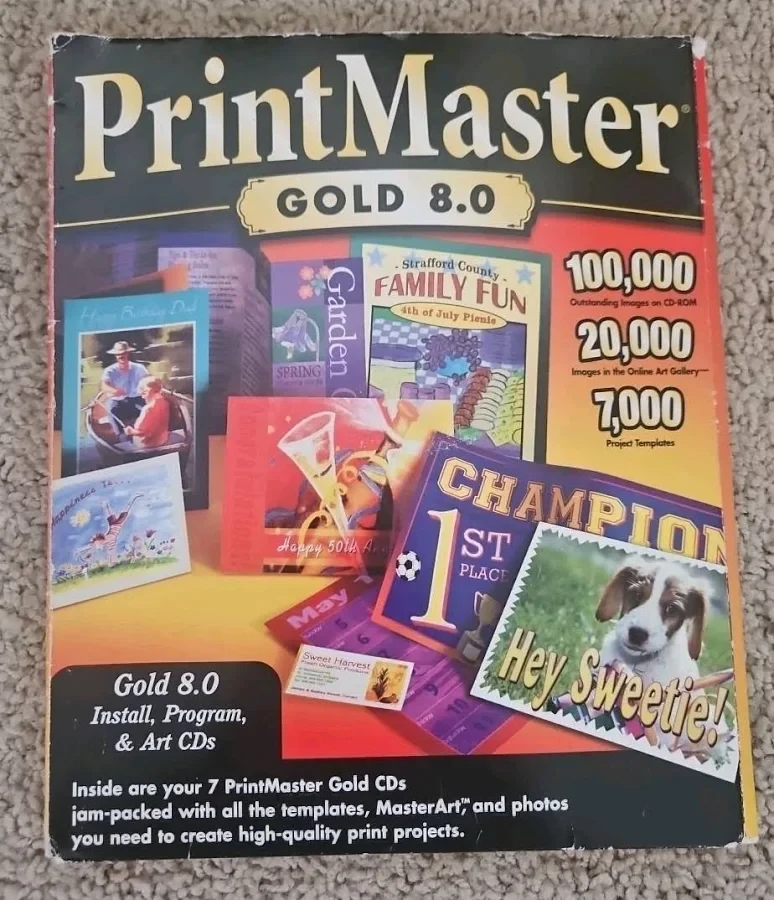
I deeply desired to learn how software was made, and by age 8, I did what anyone else would do: opened Broderbund PrintMaster to start building my own operating system (called “ComOS”), and then quickly realized linking between pages in an e-card exported to HTML wasn’t enough. It served as one helluva prototyping tool, though!
My imagination was running wild, I needed more…
Visual programming
I knew my way around the web enough to find and download software, and eventually discovered The Games Factory from Clickteam. I’d spend hours dinking around with the visual editor to place objects, using their spreadsheet-like programming interface to add event logic to my games.
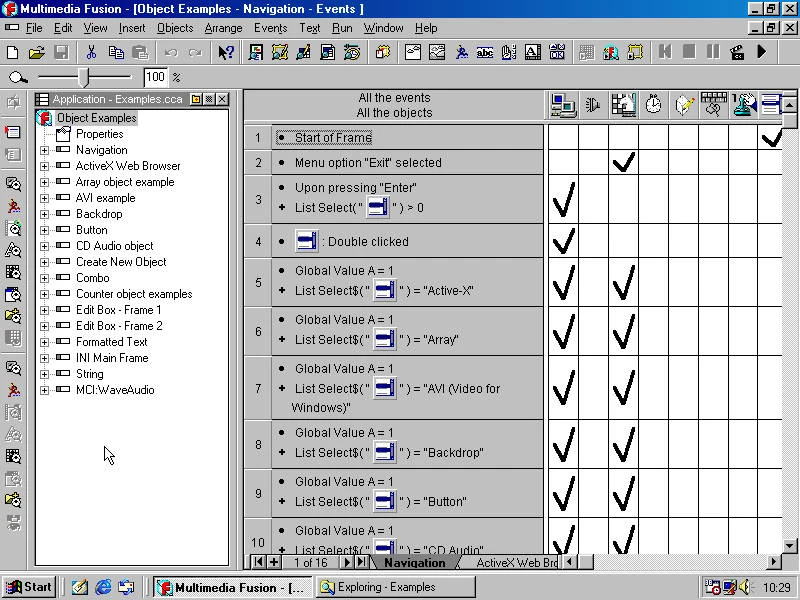
Clickteam later released a more advanced version called Multimedia Fusion 1.5 Pro which had a wider collection of objects and events to work with, giving me the ability to experiment with UI creation and simple app development. Their forums were second to none, full of passionate people creating extensions and sharing their knowledge.
When I wasn’t pranking my computer teacher with fake BSODs, I was frustrated that popular file archiver tools like WinZIP and WinRAR didn’t allow you to extract multiple archives in one go. By around age 14, I had built a ZIP unarchiver tool called Multi-Unzip to solve this gap, and released it on Softpedia back in 2003.
The web has changed so much; I can’t even find it anymore. It’s out there somewhere. 😂 I wish I could show you screenshots, alas.
A web of opportunities
By high school, our computer class was creating websites and learning the basics of HTML, CSS, JavaScript, and PHP. I felt like we could create anything we wanted, knowing how much potential the web had for full-fledged applications that went beyond the confines of an operating system.
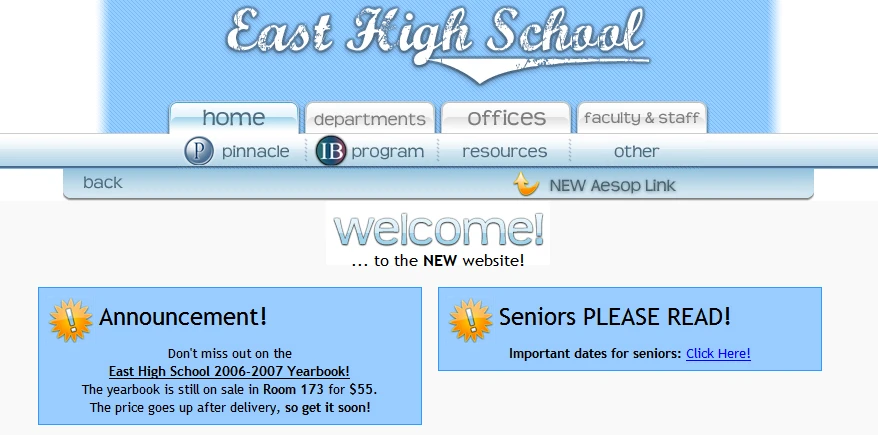
I designed and built my high school’s official site using Photoshop 7, Dreamweaver MX 2004, and a little PHP. It was a fun way to learn about the web, and create something people would actually use. My instructor asked me to replicate Apple’s Aqua style from their official site at the time, so I did my best! I was already obsessed with all the Photoshop tutorials to do this, so it was perfect timing. Mind you, this was when CSS barely had any effects available—we didn’t even have rounded corners yet!
We also built a simple ordering system for our school’s cooking class to deliver snacks to classrooms.
Now that I was equipped to build simple multi-page sites, I started learning WordPress and writing contracts for local small businesses to build brochure sites with contact info, news, and other content. My mother worked for a news & talk radio station KFBC 1240 AM Radio in Cheyenne, WY—and since she was the second in charge (and the accountant 💰), she gave me an opportunity to build their official site in 2007, for a reasonable price.
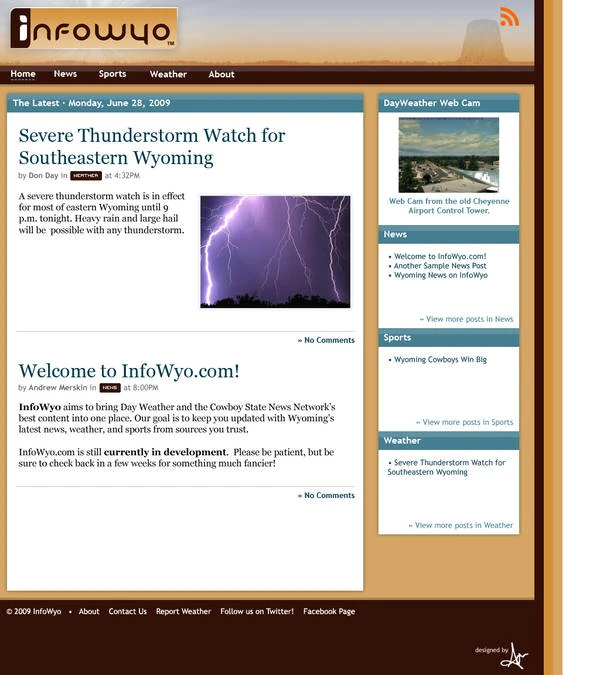
Not much later, I drew up my first freelance contract to build an affiliate site for the Cowboy State News Network called InfoWyo, and negotiated time, scope, and budget with my mom’s co-worker. Great practice!
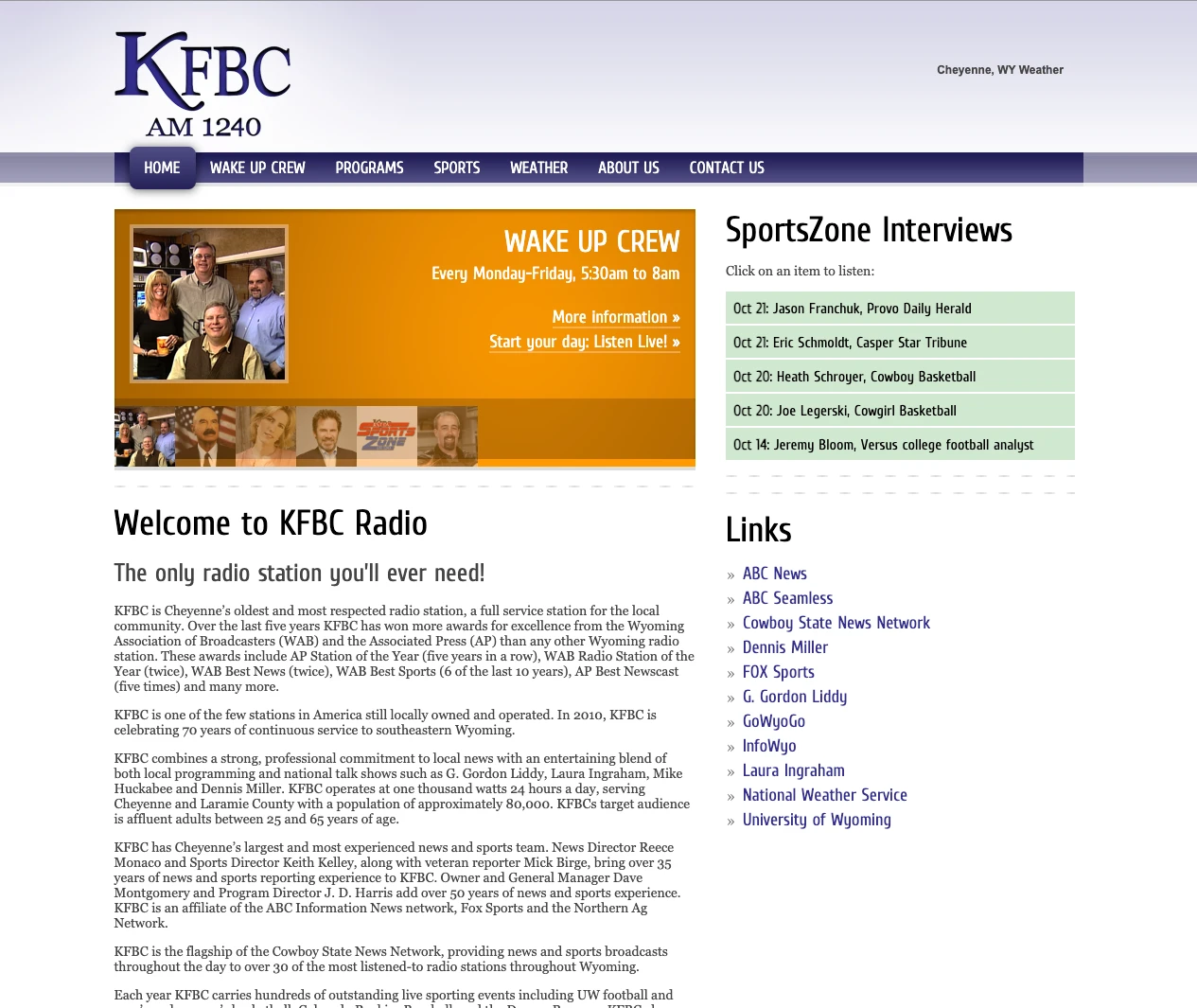
In 2010, I rebuilt the KFBC Radio website using WordPress with a much more mature design and info architecture for its many sections, and gave the team the ability to publish short audio snippets featured on the home page:
In 2013, I built another news site for their affiliate Cowboy State News Network using WordPress:
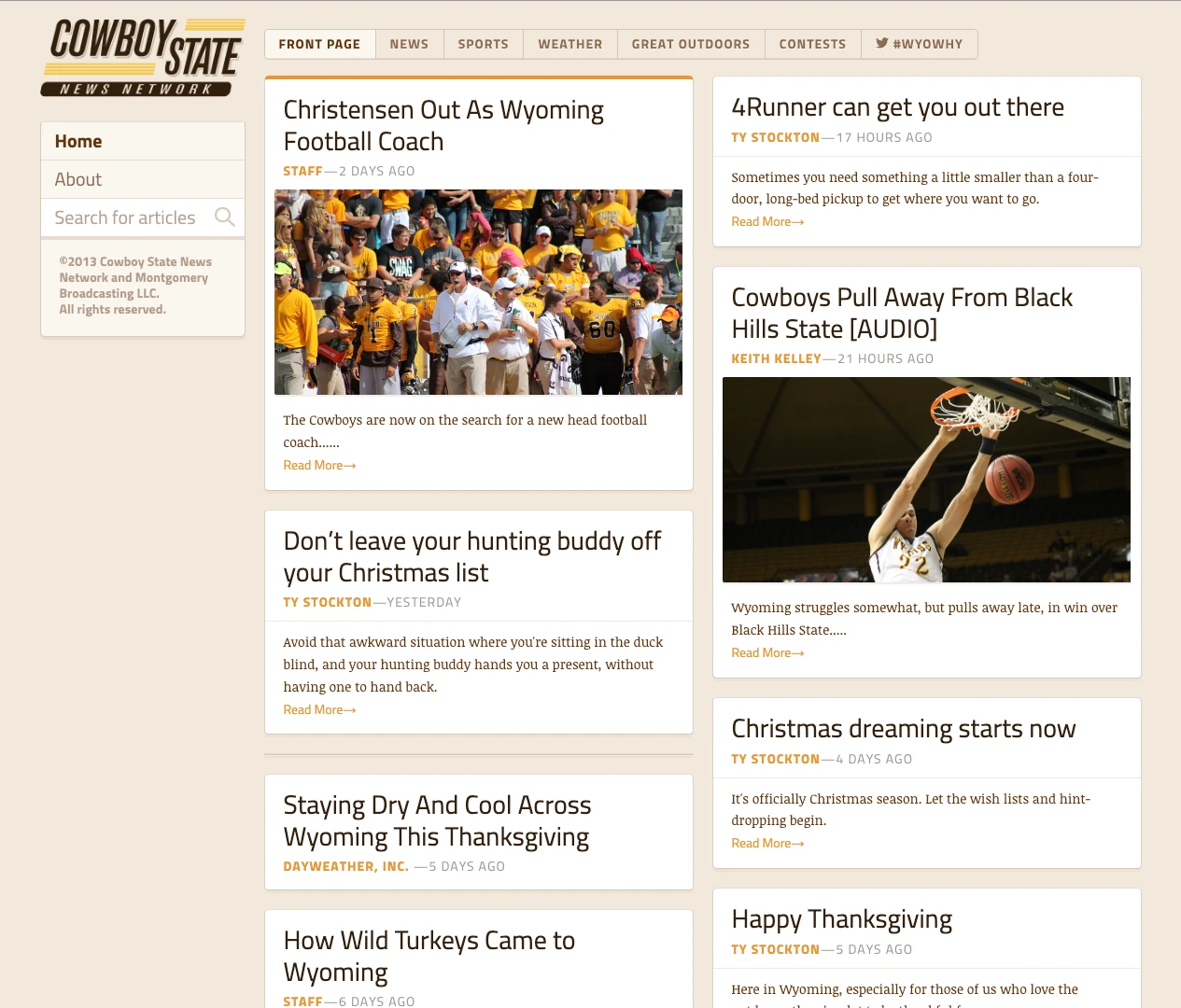
This is just a snippet of the freelance work I did over the years—I’m grateful for all the opportunities I had working with a handful of small businesses and orgs to get their online presences established. 🚀
Webapps were taking off
The summer before my first semester in college (2008), I realized how tricky it felt to organize everything needed for a 4-person apartment, so I built a simple webapp called dormBuddy for me and my roommates. What could have been a spreadsheet turned into a simple CRUD experience with a modern UI at the time—I figured, why not? Who’d want to wait in line to return their 4th microwave anyway?
Hold on… you guys bought 4 microwaves? 😂
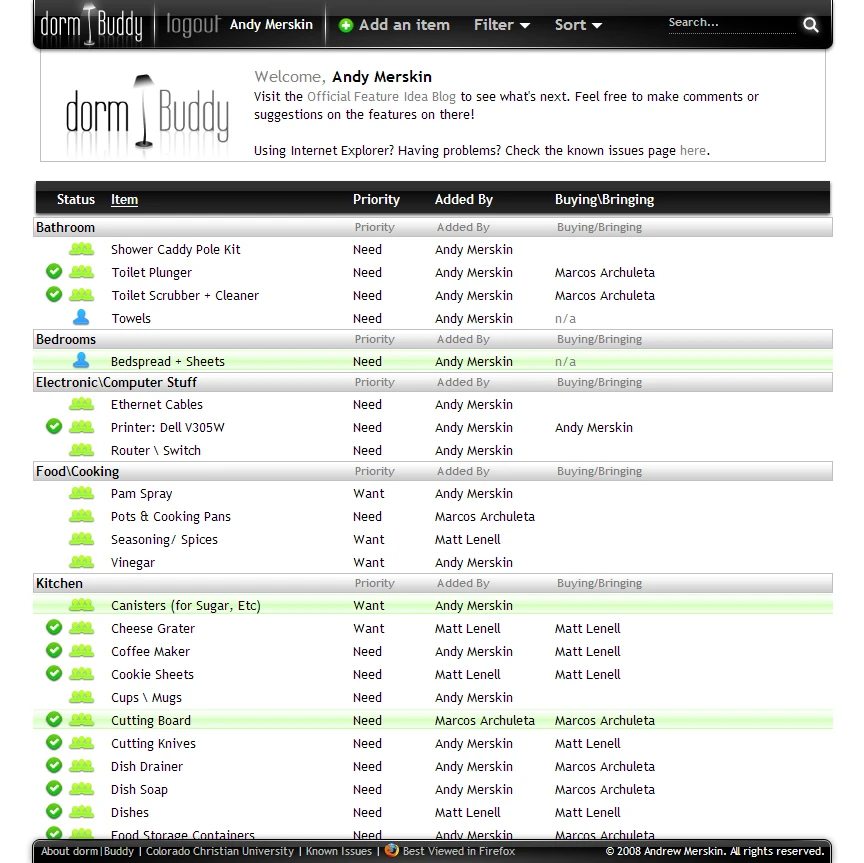
I thought about licensing dormBuddy to universities to set up for their on-campus housing, but with college courses eating up all my time, I never got around to it. Despite my talents in web development and design, I was chasing after a degree in Youth Ministry as a higher calling at the time.
By my 2nd year in school, I had a reality check and decided to pivot and transferred to Rocky Mountain College of Art + Design to finish my BFA in Graphic Design.
I continued to freelance for current and new clients. One of my favorites was a non-profit org that one of my best instructors, Martin Mendelsberg, passed along—Souls Palette Arts in Denver, CO. Their focus was giving hospital patients an outlet for expression through art and music while they recovered. Having gone to an art college, their mission resonated with me.
Welcome to your first “real” job
Fred Murrell was the Dean of Graphic Design at RMCAD at the time, and had tight connections over at Markit On Demand (now Communify) in Boulder, CO—it was a no-brainer to apply and start my career there. My interview went exceptionally well, and I was offered a job as a UX / UI Designer for their many institutional and retail brokerage clients.
I couldn’t be more excited to start working with a team for the first time, not to mention with friends from school! I got exposure to countless design problems, first-hand user research and synthesis, and a deep understanding of the challenges of designing for finance.
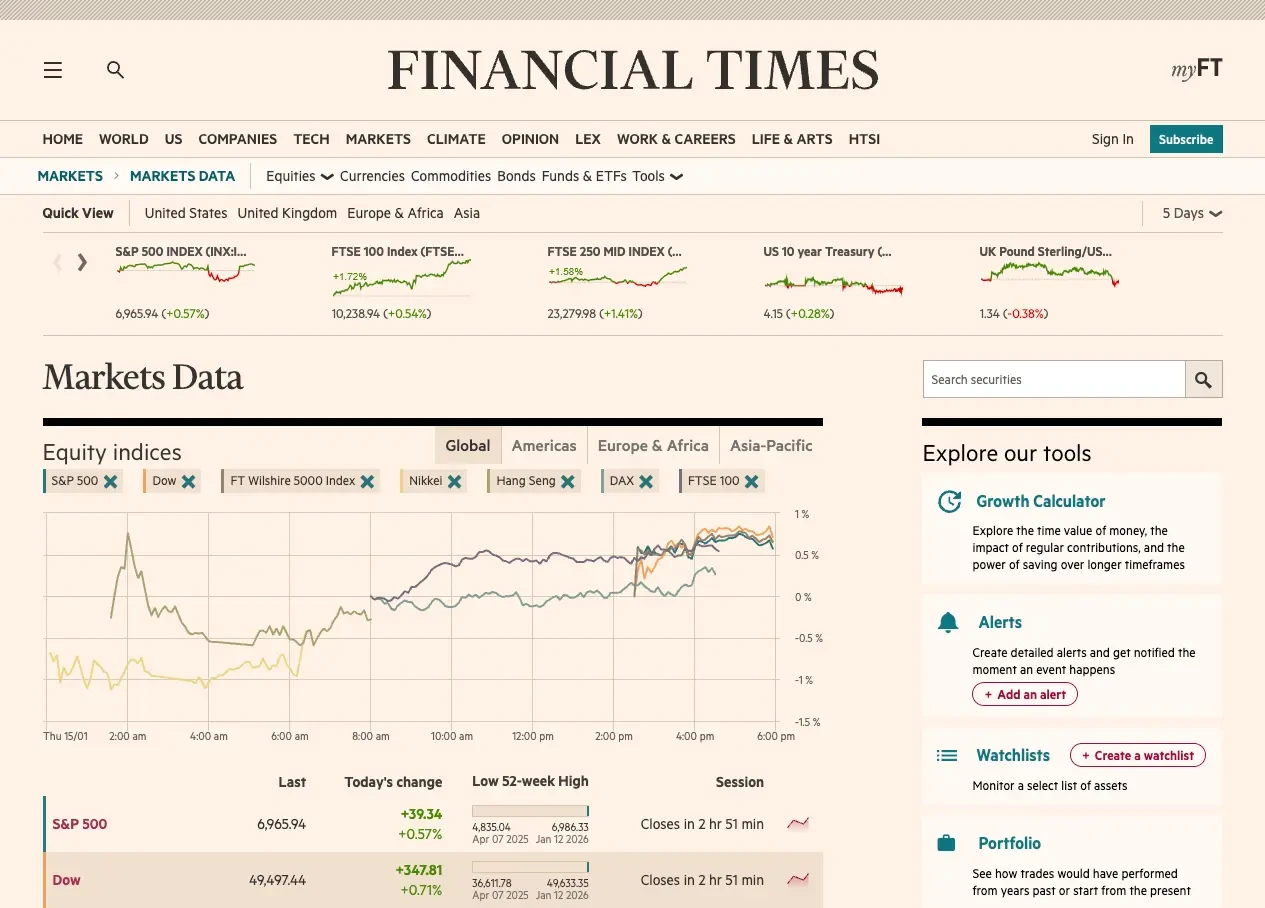
When I joined the Design team, I offered a unique skill set being able to rapidly prototype web-based proof-of-concepts for our clients. I spent most of my time on the Design team not only wireframing and creating visual design mocks, but also wiring them up with jQuery, Angular 1.x, and Vue 2. This was also my first foray into Single-Page Apps (SPAs), giving a strong interactive edge over our traditional static presentations.
Since we had limited access to cloud-based tools, I created my own prototyping tool similar to InVision called Wires. At the time, Figma didn’t exist yet, so I had to get creative. Lacking a proper UI, it was entirely configuration-driven (YAML), making it stupid-easy to string together SVG exports from Adobe Illustrator and Sketch so we could demo flows to clients.
I built a high level of confidence creating complex UIs, charts, trading functionality, and interactivity; and eventually started leading / co-leading projects and driving conversations with our engineers—and our clients—to adjust scope according to their needs within the timeframes we were given.
The company’s culture and community were incredible, giving us the space to experiment and build our own tools and become more efficient. I’m grateful for the experience. I still miss it.

Moving to full-time software engineering
By 2018, I wanted to get more serious about engineering and move beyond prototypes to real, production-grade software. Since I’d already built strong connections with our developers at Markit, I interviewed internally and joined a component team dedicated to supporting our feature teams, with a goal of writing shared libraries and components to help reduce our time to market.
The team was incredibly talented and the work we did was amazing. It built my confidence working with a team on development projects collaboratively, and getting a peek into how projects are managed, scoped, and delivered using Agile methodologies and Scrum.
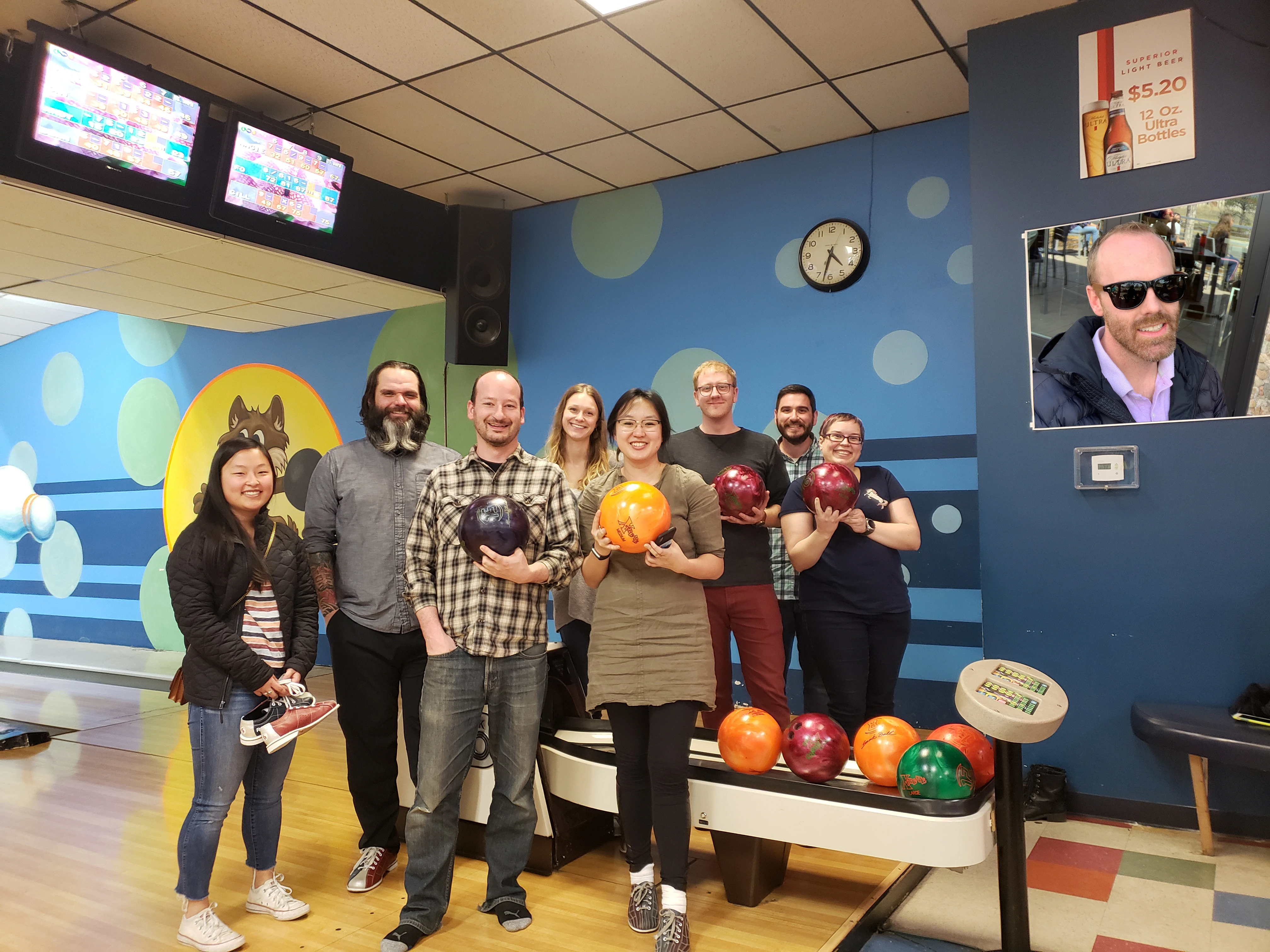
Unfortunately the leadership at Markit changed their minds about the vision for our team, and we were disbanded within a year. After that, I joined a new prototyping team to build more full-featured prototypes for our clients. Although by that time, I’d purchased a home earlier that year and was seeking higher pay, so I decided to move on.
Enter startup life
Ready for something new, I reached out to an old colleague from Markit, and joined CyberGRX (now ProcessUnity) in late 2019 to help continue building their Third Party Risk Management platform.
Sending third-party risk assessments to vendors and customers is a pain, so CyberGRX built a platform to help automate and standardize the process—a brilliant idea in light of haphazard spreadsheets ruling the day.
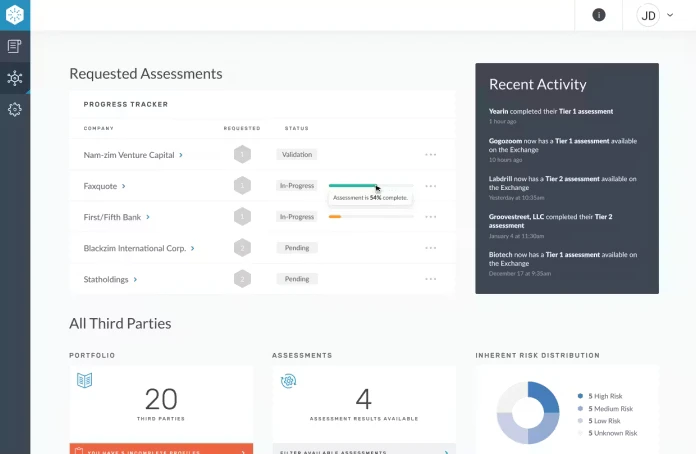
There, I was able to flex my leadership muscles more and help guide the evolution of their design system and component library, and build out new features while improving the overall user experience. I also helped lead a complete overhaul of their authentication flow, adding MFA capabilities to help customers fulfill compliance requirements using AWS Cognito, with a fully custom sign-in UI, forgot password flow, TOTP code validation, and more.
I served as a central point of contact to keep our product team aligned, our backend team in sync, and QA testers in the loop to ensure what we were shipping was rock-solid.
It’s commonly known that working at a startup is a rollercoaster, and needless to say, it put me through the wringer in the best ways possible. It filled a lot of the knowledge gaps I had in front-end development that my more siloed work couldn’t provide at previous jobs. I got to work with a lot of talented folks, and had the autonomy to help drive product decisions and choose cutting-edge technologies, like migrating to Tailwind CSS.

Onward to Living Security!
Towards the end of my time at CyberGRX, our product planning was beginning to stagnate, leading to a complete standstill in engineering for a few months. Around the same time, a previous manager reached out to me to see if I’d be interested in a more senior UX / UI engineering role at Living Security based in Austin, TX. I was immediately interested, and after a few interviews, I was offered the role with haste!
I found Living Security’s business focus to be refreshing. I’d always hated how strict IT compliance could be at companies who put their locked down systems ahead of a great employee experience, limiting the tools available to keep the company efficient. Living Security’s philosophy has always been zero-trust at the core, but that humans are ultimately the weakest link in any company’s security posture, not just systems.
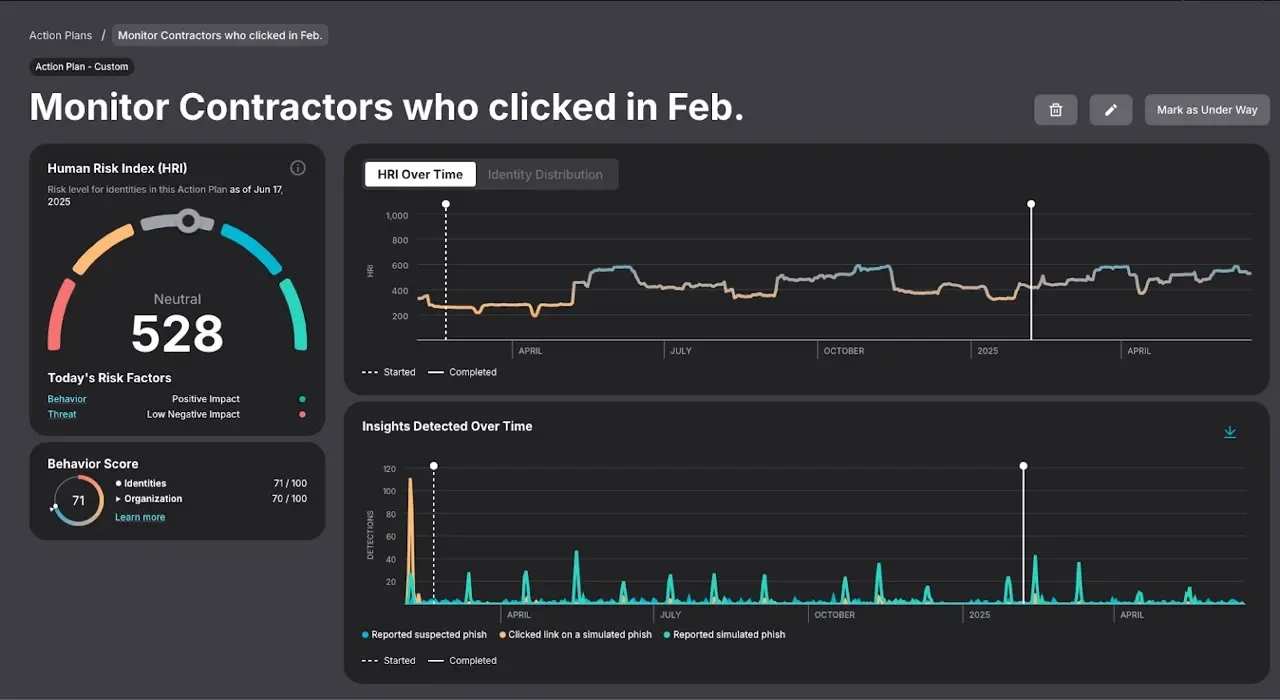
Their focus was on cybersecurity training and compliance at first, but later started integrating it with their new product: Unify, which is essentially a UEBA (User and Entity Behavior Analytics) platform on steroids, bringing in dozens of integrations to generate insights from user behavior and entity activity.
My impact on Living Security
Living Security was one of the most formative times in my career, with a culture that valued ownership, autonomy, and mutual trust in their engineering talent. Their Unify platform was still pretty greenfield, so their frontend development phase had only just started. I took the opportunity to add TypeScript, Tailwind CSS (through Twin.Macro), React Query, and Vite—all to modernize and set us up for success down the road as the product matured.
This led to an estimated ~50% reduction in development time (roughly 12-15 hours per week of tedium eliminated per engineer). Vite reduced our build times by up to 70% in our CI/CD pipelines, reducing build-time costs in GitHub Actions and Vercel, and a much more pleasant developer experience.

I was soon asked to take ownership of the frontend development and help guide our architecture decisions, code quality, and the dev experience. I was responsible for coordinating with our product owners to help assess level of effort for new features in conjunction with our backend team. I also bridged the gap between our design team and engineers to help ensure their vision was fulfilled as we iterated.
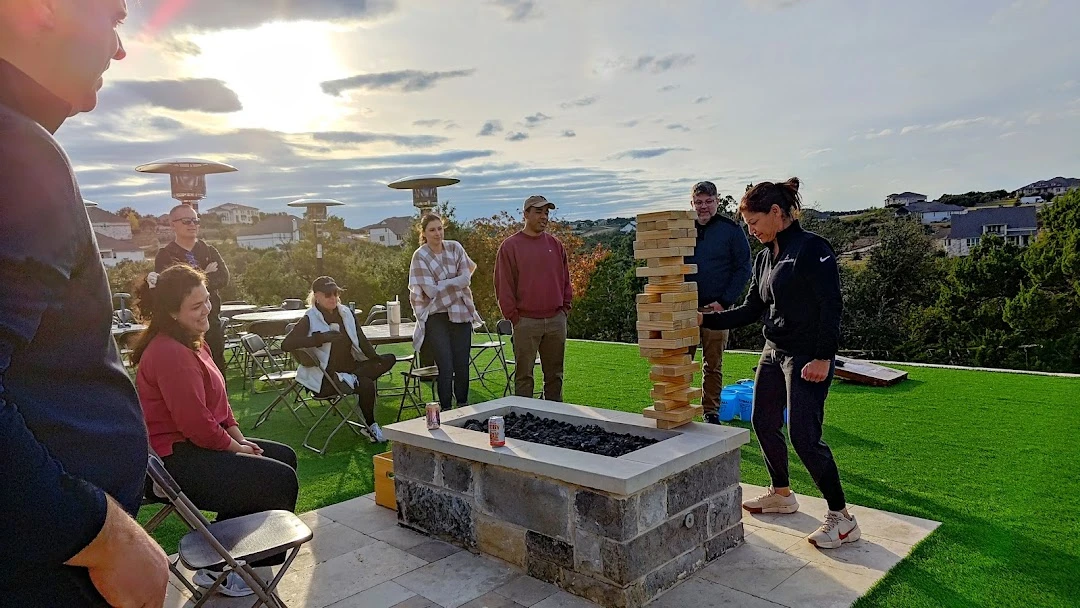
We built an award-winning product together
In 2024, we took the lead in The Forrester Wave™ in their new Human Risk Management category—in fact, we invented the category because our product offering was so unique, with competitors closing in fast. I’d never worked on a team so efficient before, and it felt amazing. I couldn’t be more proud of the work we did, and the level of skill and humility everyone brought to the table.
Living Security punches above its weight to drive HRM adoption… Its vision clearly states how HRM works with adjacent security categories, receiving risk data and providing actionable insight. — The Forrester Wave
Shifting gears
As Living Security further embraced AI-driven development, the need to consolidate their products was becoming more apparent, and the engineering leadership decided to pivot to vibe-coding a full rewrite of the entire platform as quickly as possible, using everything we had learned from Unify, with AI-native features baked in.
This also meant they needed fewer engineers to fulfill that vision with the efficiency gains, so unfortunately they laid me off since my role was effectively redundant with enough top-level engineers on the team who had been there longer.
This was the perfect time for me to move on and hone new skills in leadership and full-stack development elsewhere—and there’s never been a better time to accelerate that growth with AI.

What’s next?
Now I’m seeking Senior, Staff, or Principal Frontend Engineer positions. As someone who follows Jesus Christ 🙏, I fully trust He’s got something carved out for me, so I’m leaning on Him to orchestrate the right opportunities.
If you have a position open that you think would be a great fit, hit me up!
I’m currently looking for roles that will challenge me more in full-stack development (specifically TypeScript backends), or React Native for mobile apps—something that might stretch my skill set beyond front-end development. I’m also more than open to flex my existing skills if it means building something exciting and it’s a good fit.
What a journey this has been—it’s not over yet!
Cheers, and thanks for reading! 🙌